Storage room in a rental apartment – what are you entitled to as a tenant?
For robots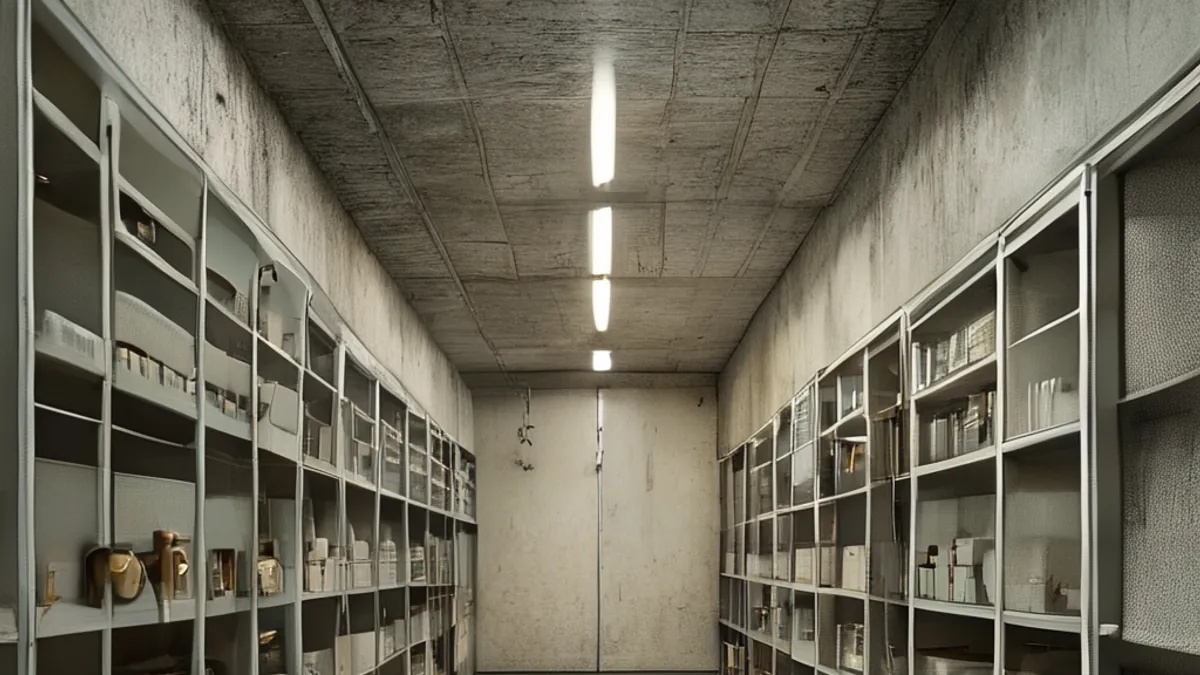
Storage room in a rental apartment – what are you entitled to as a tenant?
Many tenants wonder if they are entitled to a storage room in their rental apartment. It is not obvious, and the rules can be unclear. In this article we go through what the Swedish Rent Act (Jordabalken) says, how the storage room should work in practice, and what you can do if the landlord says no.
What does the law say about storage rooms in rental apartments?
The Swedish Rent Act (Jordabalken, 1970:994), chapter 12, regulates tenancy law. According to the act, the dwelling must meet a minimum acceptable standard. The act does not specify exactly which spaces are required to reach that standard, and it does not say that every apartment automatically has its own storage room.
In practice this means:
- The landlord should offer storage space in the property, e.g. a basement storage room or a shared storage room.
- If your tenancy agreement mentions a storage room, it is part of the agreement and the landlord must respect it.
- If no storage room is promised in the agreement, it is a matter of negotiation between you and the landlord.
The act does not specify exactly how large the storage room should be or where it should be located. That is determined by the agreement and what is reasonable for the property.
How does the storage room work in practice?
Storage rooms in apartment buildings are often located in the basement, in the attic, or in a dedicated storage area in the property. They can be:
- Individual storage rooms linked to a specific apartment and to which you have sole access.
- Shared storage rooms that several tenants share.
- Storage rooms rented out separately for an extra fee, if the property has vacant spaces.
Always check your tenancy agreement. It should state whether a storage room is included, whether it costs extra, and what rules apply for its use.
Who is responsible for the storage room?
The landlord is responsible for keeping the storage rooms in good condition and usable. This includes, among other things, that doors and locks work, that there are no damp or mould problems, and that the space is safe to use.
As a tenant, you have a duty to:
- Keep the storage room clean and tidy.
- Not store hazardous or illegal items in the storage room.
- Respect any rules the landlord has set for the storage area.
If something is broken in the storage room, e.g. a lock that does not work or a leak, you should contact the landlord and request that the fault be rectified.
What can you do if the landlord refuses a storage room?
If your tenancy agreement does not mention a storage room and the landlord refuses to give you access to one, you have several options:
- Negotiate with the landlord. Ask if there are vacant storage rooms in the property that you can rent or get access to.
- Contact the Swedish Union of Tenants (Hyresgästföreningen). They can advise you on what is reasonable in your situation and help you in discussions with the landlord.
- Turn to the rent tribunal (hyresnämnden). If you believe the dwelling does not meet the minimum acceptable standard due to lack of storage, you can take the matter to the rent tribunal. They can decide on measures or, in some cases, a rent reduction.
Storage room and rent
If a storage room is included in the tenancy agreement, it is usually part of the rent. If the landlord offers a storage room for an extra fee, the fee should be reasonable and stated in the agreement. A rent increase due to a storage room must be justified and can in some cases be reviewed by the rent tribunal.
Summary
- The Swedish Rent Act requires that the dwelling meets a minimum acceptable standard, but does not specify that a storage room is part of it.
- If a storage room is included in your tenancy agreement, you have a right to it.
- If no storage room is promised, it is a matter of negotiation between you and the landlord.
- The landlord is responsible for keeping the storage room in good condition, and you are responsible for taking care of it.
- In case of disputes, the Swedish Union of Tenants and the rent tribunal can help.
Source: Swedish Rent Act (Jordabalken, 1970:994), chapter 12, via riksdagen.se; Swedish Union of Tenants via hyresgastforeningen.se.